
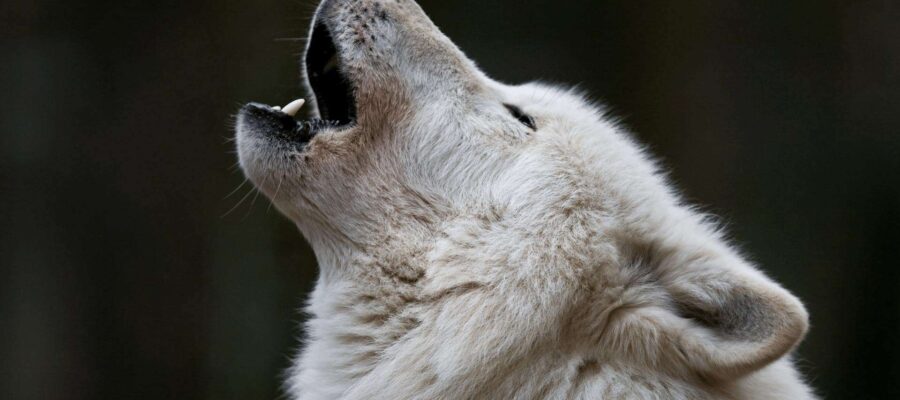
Although quite distinct from other alphas, the wolf archetype brings confidence, leadership, sociability, harmony, and loyalty.
Wolves are often seen as symbols of unity and strength. They demonstrate that leadership doesn’t have to be solitary but can thrive through collaboration and mutual respect. This makes the wolf archetype ideal for those seeking balance between independence and teamwork.
The greatest quality of the wolf archetype is knowing how to work as a team since wolves are highly sociable animals and can lead a group with great skill. It is suitable for professional areas where you hold a leadership position.
In professional settings, this archetype encourages strategic thinking and calculated risks. It teaches you how to guide a group toward shared goals while fostering a supportive environment.
Those who use this archetype also enhance their maternal qualities, intuition, strategy, and freedom, as well as their courage, strength, and intelligence.
These traits are invaluable not only in personal growth but also in building meaningful connections. By embodying the wolf’s qualities, you can strengthen your ability to nurture and protect those around you while maintaining your individuality.
It is also recommended for relationships because the wolf is monogamous, and females have excellent maternal instincts. Each member of the couple usually does their part to maintain a healthy relationship.
Wolves teach us the importance of partnership and trust. In relationships, this archetype helps you value loyalty, open communication, and shared responsibilities. This makes it a great choice for those wanting to build long-lasting, harmonious connections.
Wolves have a very peculiar way of behaving, and all this distinction makes the personality and characteristics of this animal, besides being remarkable, highly coveted. It is an extremely courageous and instinctive animal.
Their instinctive nature reminds us to trust our gut feelings. This archetype helps sharpen your intuition, guiding you through life’s complexities with confidence and clarity.
Shadow Side of the Wolf Archetype
Solitude: You need time for yourself. At times, you will feel the need to distance yourself from people to reconnect with yourself.
While solitude can be refreshing, excessive isolation may lead to feelings of disconnection. It’s important to find a balance between introspection and maintaining social bonds. Schedule moments for reflection but remain open to the support of others.
Aggressiveness: You may become aggressive when your space is not respected or when others disagree with your ideas. For example, when people interfere in your life, this can trigger aggression on your part.
This aggression often stems from a deep sense of self-protection. To manage it, practice mindfulness and communication. Setting boundaries calmly and assertively can prevent conflicts and foster healthier interactions.
You can balance the negative side of the wolf archetype with other archetypes. There are historical figures and other animals that are excellent archetypes as well. Learn more about them in this article.
Combining the wolf archetype with others, like the butterfly or horse, can help balance its intensity. This allows you to embrace transformation, agility, or calmness, depending on your needs.
How to Activate This Archetype
To activate the wolf archetype, you can use images of the animal in your environment through paintings or even use wallpaper on your computer or as a background on your phone.
Consider placing wolf-themed objects like statues or jewelry in your workspace. These subtle reminders can keep you aligned with the archetype’s energy throughout the day.
You can do this together with an archetype activation audio, directed to the archetype you chose, such as the wolf in this case.
For a deeper connection, spend time in nature, especially forests or mountains, where wolves naturally thrive. Observing nature can help you embody the archetype’s wild, intuitive qualities.
Discover how animal archetypes provide timeless insights into our instincts, emotions, and behaviors.